
What People Don’t See Behind a Cup of Coffee: The Reality of Sustainable Coffee Farming
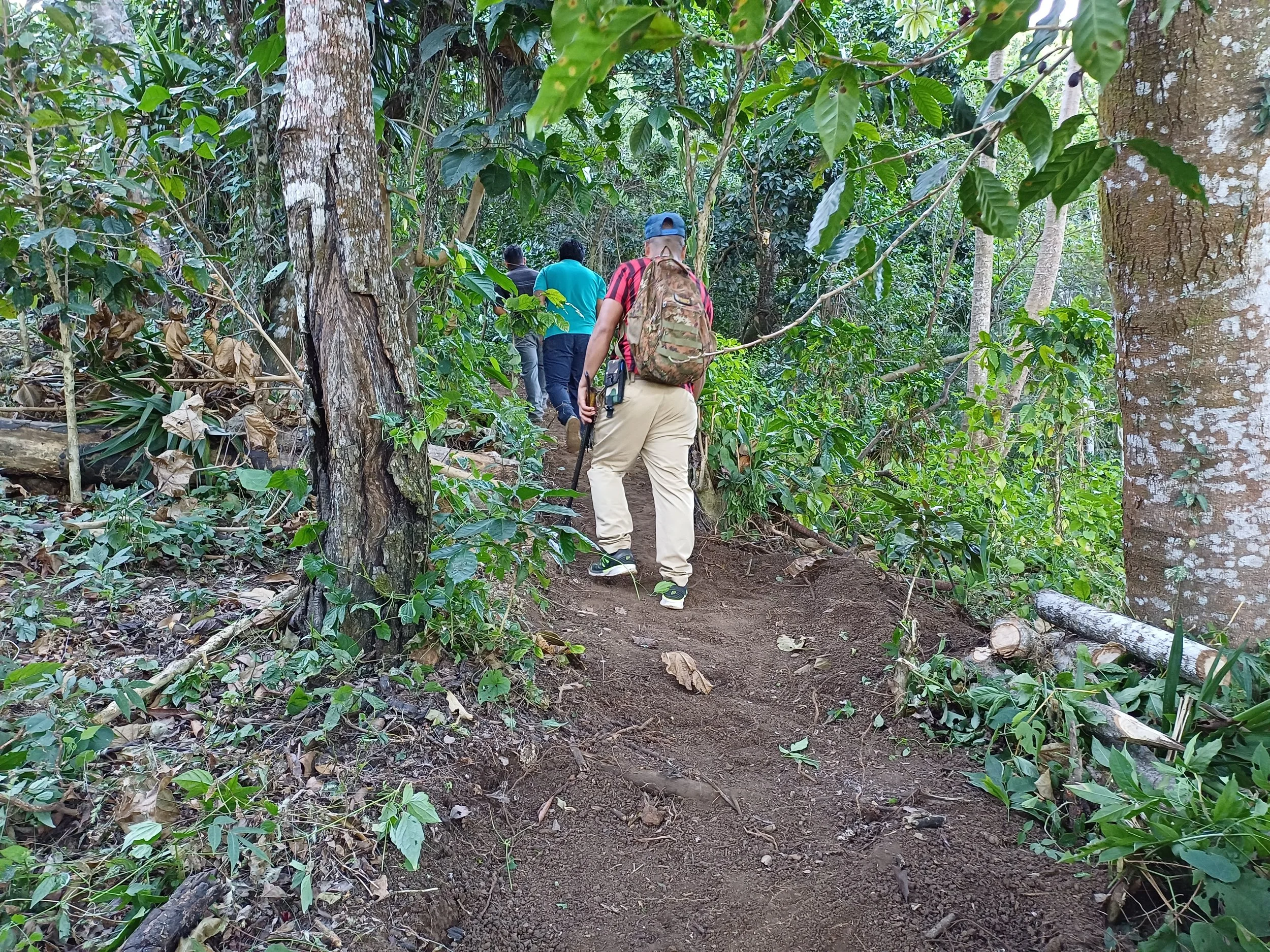
Finca San Francisco paths
Today, while getting a massage, the therapist who has known me for years started asking me
questions about our coffee farm in El Salvador.
Very simple questions.
“How does coffee actually grow?”
“Do you plant the coffee beans directly?”
“How long does it take?”
And it made me realize something important:
Most people in Canada have never seen how coffee is really produced.
They do not see the young coffee trees growing in nurseries.
They do not see workers cleaning around the plants with machetes under the heat and rain.
They do not see the years it takes before a coffee plant produces enough cherries for harvest.
Coffee does not simply appear in a bag.
Behind every cup there is land, climate, labor, uncertainty, and constant care.
When people drink a cup of coffee, they usually only see the final product: the aroma, the
flavor, the beautiful packaging, or the photo of a scenic landscape.
But behind every pound of coffee there is an enormous amount of work that most people
never see.
Maintaining a small family coffee farm is not easy. And when you decide to work in a more
natural and environmentally conscious way — using fewer chemicals while protecting forests
and biodiversity — the effort becomes even greater.
On our small family coffee farm in Chinameca, El Salvador, many things are still done manually.
Cleaning around young coffee plants is often done with machetes instead of herbicides. That
means more time, more physical labor, and higher costs.
It also means depending heavily on rainfall, weather conditions, and patience.
Some older coffee plants need recovery and careful management.
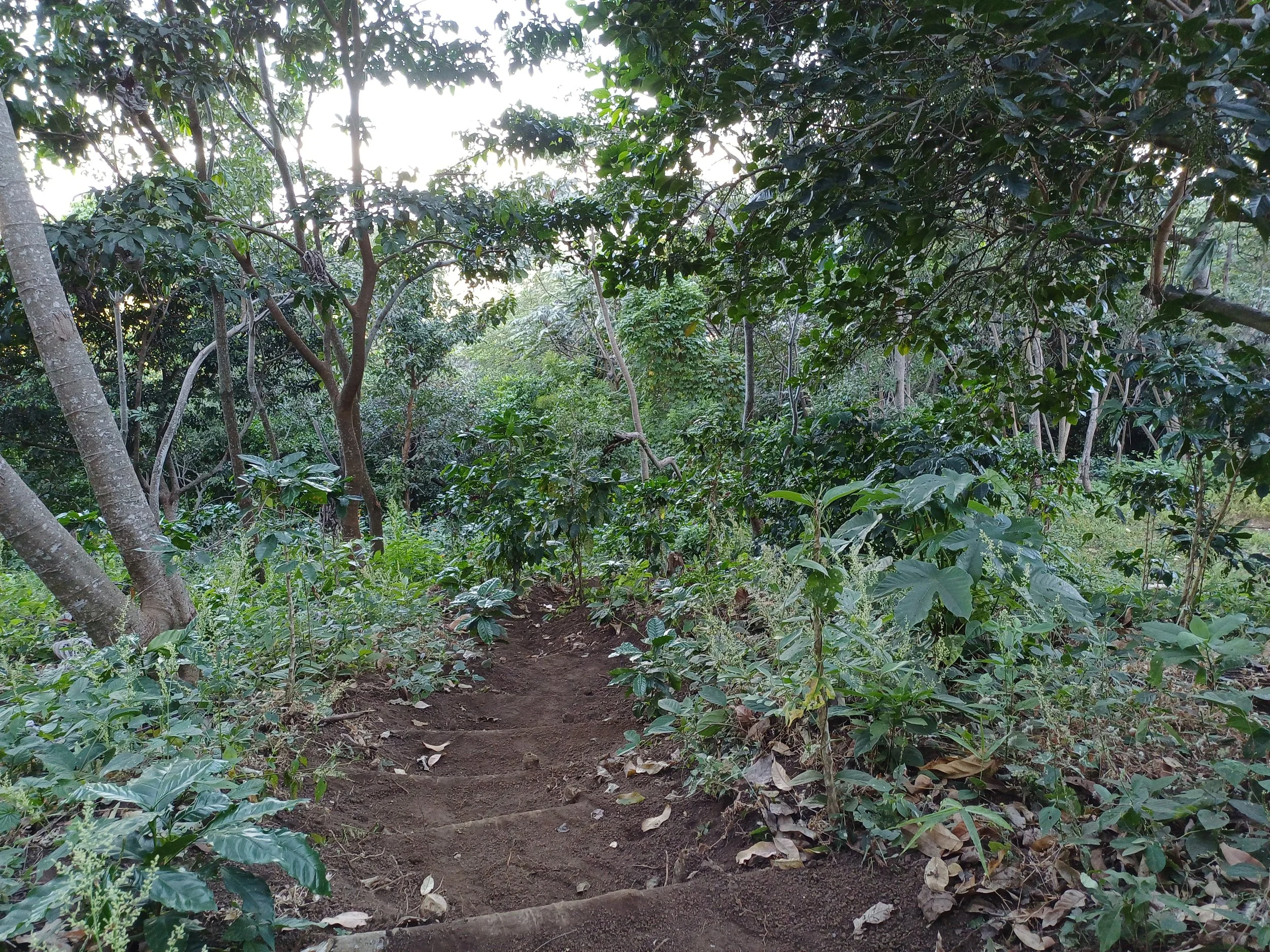
Certain areas require shade trees to help protect the soil and conserve moisture.
Roads and trails must be maintained.
Workers need support.
Fertilization must be done carefully to avoid damaging the land, and additional investment is
often required for more natural forms of fertilization.
And all of this happens while climate conditions continue to change year after year.
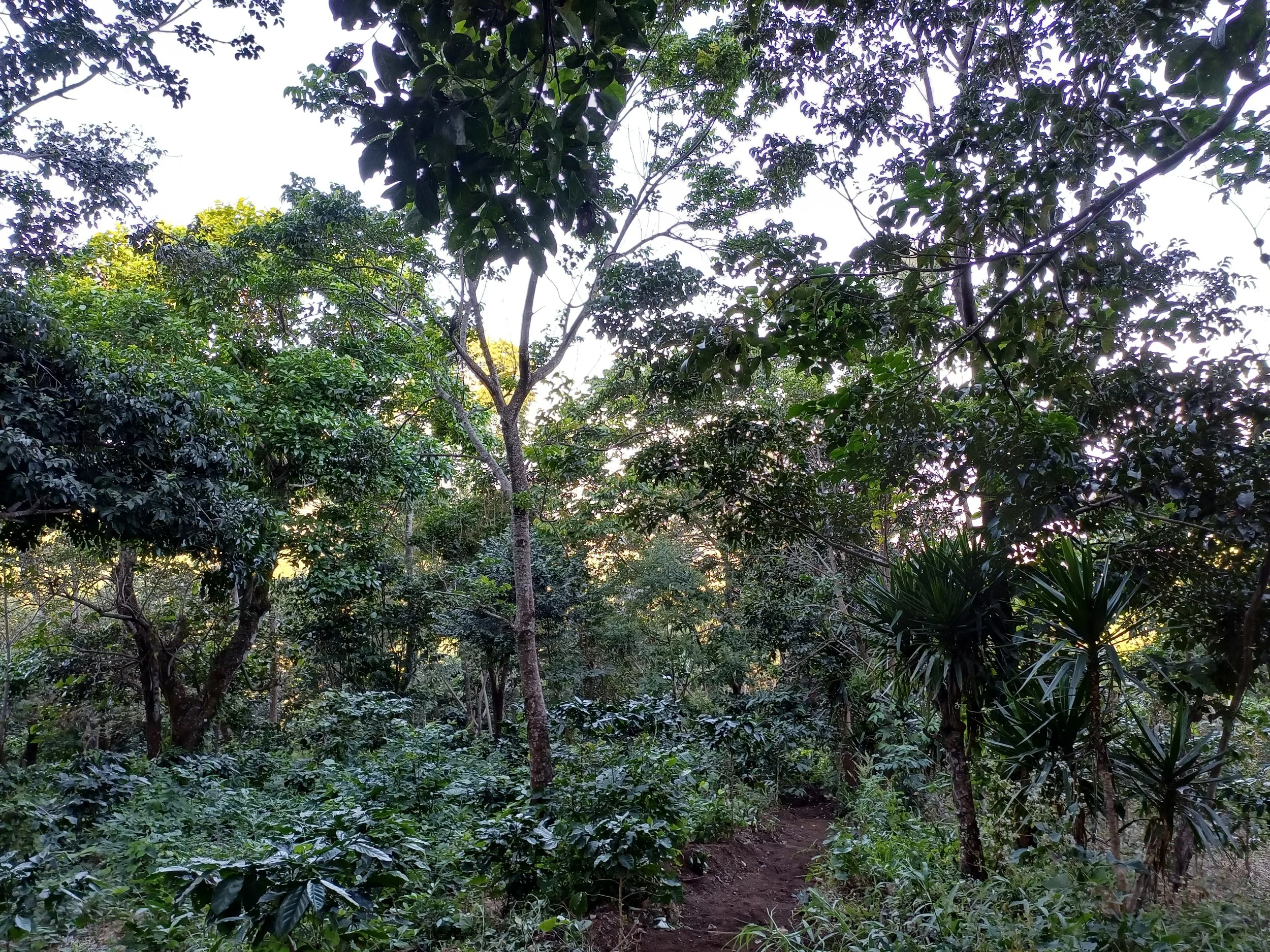
Much of our Salvadoran coffee is grown under shade trees, a traditional method that helps
protect biodiversity, conserve soil moisture, and provide habitat for birds and wildlife. Shade-
grown coffee farming may require more patience and manual work, but it helps maintain
healthier ecosystems around the farm.
Sometimes people compare the price of artisanal coffee with mass-produced industrial coffee
without understanding the difference behind the production process.
Industrial coffee is often produced on a large scale using intensive systems and completely
different methods.
Small coffee farms operate under a very different reality.
In many cases, families keep their farms alive through personal sacrifice, additional jobs, or
income from other sources.
Coffee farming in El Salvador does not always generate fast profits. Many times, a farm survives
because of love for the land, family history, and the desire to protect something meaningful for
future generations.
In our case, there is also a strong commitment to conservation.
As a biologist, protecting shade trees, preserving green areas, and maintaining biodiversity
around the farm are very important to me. Hearing birds, protecting natural habitats,
maintaining soil cover, and reducing chemical use are all part of our vision.
This is not always the easiest path.
But we believe it is worth it.
El Salvador needs examples of sustainable coffee farming practices that protect both people
and nature. I also feel a responsibility to continue the values my family believed in: protecting
biodiversity, preserving shade cover, and creating habitat for birds and other wildlife.
Every harvest brings uncertainty.
Every rainy season brings hope.
And every cup represents the work of many hands.
When someone supports a small family coffee farm, they are not only buying coffee.
They are also helping sustain rural jobs, protect part of the natural landscape, and continue
family stories that have existed for generations.
At Café San Francisco / Mi Cajita Verde de Cristal, we believe coffee should not only taste good
— it should also respect the land, the people, and the traditions behind every harvest.
Behind every cup of coffee, there is much more than coffee.
There is history, hard work, and hope.